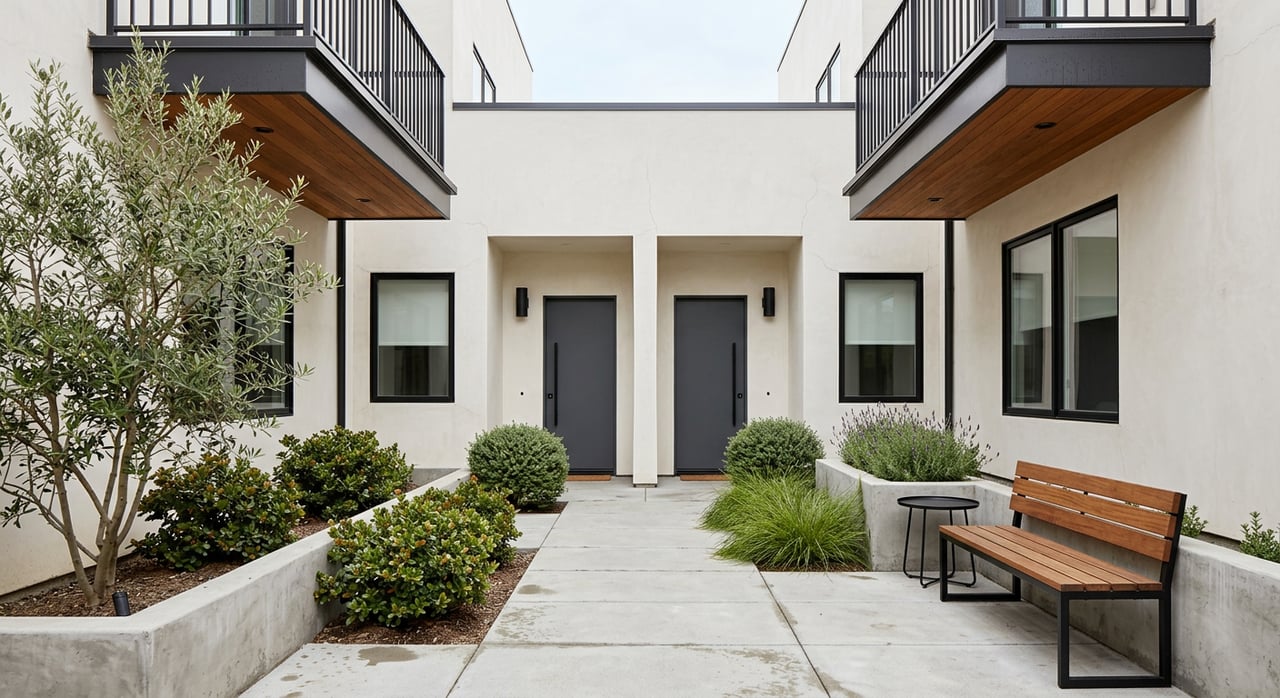
Buying your first home on the Peninsula can feel out of reach, but condos and townhomes in San Bruno can open the door. You get strong transit access, a central location, and price points that are often more attainable than single-family homes. In this guide, you’ll learn how to budget, compare buildings, navigate HOAs, and write a smart offer tailored to San Bruno. Let’s dive in.
Why San Bruno works for first-time buyers
San Bruno sits mid‑Peninsula with easy access to BART, Caltrain, SFO, and Highway 101. If you commute or travel often, the BART San Bruno Station gives you direct regional connectivity and a predictable ride to job centers. You can explore routes and timing on the BART San Bruno Station page.
Local shopping is also in transition. The Shops at Tanforan site is moving through a long‑running redevelopment proposal for a transit‑oriented village with homes and offices. Scope and timeline remain under review, but this could shift neighborhood retail and housing supply over time. You can follow updates at the project’s site, Reimagining Tanforan.
For price access, condo and townhome listing medians in San Bruno often sit below Peninsula single‑family medians. Inventory can be limited and monthly data can swing because samples are small, so focus on multi‑month trends and building‑by‑building comparisons when you shop.
Step-by-step: your San Bruno condo or townhome purchase
Get pre‑approved the condo way
Ask your lender to underwrite you and the building type early. Some communities must meet project‑level eligibility for FHA, VA, Fannie Mae, or Freddie Mac loans. If a project is not “warrantable,” you may need a different loan product or a larger down payment. Share your target buildings with your lender and confirm the path using the Fannie Mae condo project review guidance.
Build a complete budget
Price the full monthly picture before you write an offer. Include:
- Mortgage principal and interest
- Property taxes (Prop 13 base is about 1% of assessed value, plus local voter‑approved charges; confirm the exact rate for the property). See state context at Tax-Rates.org.
- HOA dues. In San Bruno, many mid‑age complexes show dues in the roughly $300 to $700 range, depending on amenities. Always confirm the exact amount and what it includes.
- Insurance. Condo owners usually carry an HO‑6 policy for interiors and belongings. Many Bay Area buyers also consider earthquake insurance as a separate line item.
- Utilities, parking fees, and any storage costs.
To reduce upfront cash, explore down payment assistance. Local and state programs can help first‑time and moderate‑income buyers. Start with HEART of San Mateo County and the CalHFA MyHome Assistance Program:
Search with the right filters
Look beyond finishes and focus on factors that affect lending and long‑term costs:
- Owner‑occupancy rate
- HOA reserves and reserve study date
- Pending or recent special assessments
- Quality of management and meeting cadence
- Building age and any code‑driven inspections
- Proximity to BART, Caltrain, shopping, and planned neighborhood changes like the Tanforan site
Visit buildings during commute times and weekends to check noise, parking, and street activity. Then verify details in the HOA resale package and governing documents.
Write a smart offer with the right contingencies
For condos and townhomes, it is common to include contingencies for financing, appraisal, inspection, and HOA document review. Order the HOA resale documents as soon as your offer is accepted. California’s Davis‑Stirling Act defines what must be disclosed in that packet, including CC&Rs, bylaws, operating rules, budgets, reserve summaries, insurance, defect notices, and more. Learn what is included in Civil Code 4525.
Prioritize the right inspections
Standard unit inspections cover major systems, plumbing, and electrical. Lenders often want a termite or wood‑destroying organism report. For townhomes that act more like single‑family homes, ask about sewer lateral condition. San Bruno has a point‑of‑sale sewer lateral program for certain properties, so confirm whether it applies and what certificates are needed using the city’s Point‑of‑Sale Sewer Lateral Requirement.
If the building includes balconies, decks, or exterior elevated walkways, ask for any inspection reports under SB 326 and whether repairs or funding changes are planned. A clear report can reduce risk, while repair plans can indicate future assessments. Get oriented with this SB 326 overview.
Understand the lender’s HOA checks
Your lender will review the HOA budget, reserves, insurance coverage, owner‑occupancy rate, and any pending litigation. If the project does not meet eligibility standards, you may need to switch loan products or adjust terms. This is another reason to work with a lender who knows Peninsula condo underwriting and to confirm project eligibility early with the Fannie Mae project review framework.
Close with confidence
During escrow, the HOA estoppel and transfer items are handled, any seller obligations are reconciled, and you receive the full set of documents required by California law. Timing can be shaped by HOA turnaround and lender conditions, so ordering early helps keep your closing on track.
HOA essentials in California
The resale package: what you should receive
California’s Davis‑Stirling Act outlines the key items sellers and associations must provide to a buyer. Expect governing documents (CC&Rs and bylaws), operating rules, current budget and financials, reserve study summary, insurance summary, notices of defects, and meeting minutes on request. You can see the disclosure framework in Civil Code 4525.
Document timing and fees
Associations or their managers prepare resale packets and may charge a preparation fee. Turnaround varies by building and management company, which is why many sellers order early. As a buyer, insist on quick ordering right after acceptance and build enough time into your HOA review contingency.
Reserve studies and why they matter
Associations must complete and disclose reserve studies on a set schedule. A thin reserve or an old study can signal higher dues or future special assessments. Review the Assessment and Reserve Funding Disclosure and check how the current balance compares with the study’s recommended targets. For background on reserve study requirements, see this reserve study guide.
Red flags to watch
When you read the HOA packet and minutes, look for:
- Recent or upcoming special assessments
- Low reserve funding relative to future projects
- Pending or active litigation
- High owner delinquency in dues
- Restrictions that affect future resale or rental plans
Any one of these items can impact your loan, your insurance, or your future costs.
Smart questions to ask the HOA
Ask the manager or board in writing and keep the replies with your escrow file:
- What does the master insurance policy cover, and what is the deductible?
- What is the current reserve balance and what is the date of the latest reserve study?
- Are there any planned capital projects or special assessments on the horizon?
- What is the current owner‑occupancy rate?
- Is there any pending litigation?
- What are typical document turnaround times and transfer fees?
What HOA dues really cover
HOA dues vary by building and amenities. In San Bruno’s mid‑age communities, you will often see dues in the low to mid hundreds per month, and newer or amenity‑rich buildings may be higher. Always confirm whether dues include items like water, gas, trash, cable or internet, parking, pool, gym, on‑site staff, or security. Review the budget, insurance summary, and rules to see what is covered and what is your responsibility.
For insurance, most owners carry an HO‑6 policy for interior finishes, contents, liability, and loss of use. The HOA’s master policy usually covers the shell and common areas. Because the Peninsula is seismically active, many buyers also consider a separate earthquake policy. Build those premiums and deductibles into your affordability plan so there are no surprises.
Compare buildings like a pro
Use this practical checklist as you tour San Bruno communities:
- Legal title and maintenance matrix. A fee‑simple townhome can differ from a condo in who maintains and insures roofs, siding, and yards. Confirm in the CC&Rs and the matrix.
- Owner‑occupancy. Many lenders look at the owner‑to‑renter mix.
- Reserve study and balance. How recent is the study, and what percent of recommended funding does the HOA have?
- Litigation. Pending cases can affect insurance and loan options.
- Recent and upcoming capital projects. Roofs, parking structures, siding, stucco, and balconies are big-ticket items.
- What dues include. Water, trash, gas, cable, parking, and amenities add real value.
- Management quality. Minutes and meeting cadence show how issues are handled.
- SB 326 status. If balconies or decks exist, ask for the inspection report and repair plan.
- Transit and neighborhood plans. Proximity to BART, Caltrain, and evolving sites like Tanforan can influence demand and resale.
Quick-start checklist
- Get pre‑approved and tell your lender you are buying a condo or townhome so they can flag project eligibility early. Use the Fannie Mae project review as your reference.
- Budget for HOA dues, property taxes, HO‑6 and possible earthquake insurance, utilities, and parking.
- Order the HOA resale packet immediately after acceptance and allow time for review under Civil Code 4525.
- Read the reserve study and minutes and look for assessments, litigation, and deferred maintenance. Use this reserve study primer.
- Ask for any SB 326 balcony or exterior elevated element reports and note repair timelines. Start with this SB 326 overview.
- Explore down payment help through HEART of San Mateo County and CalHFA MyHome.
- If you are eyeing a townhome with separate systems, confirm any sewer lateral requirements with San Bruno’s point‑of‑sale program.
The bottom line
Buying your first condo or townhome in San Bruno is doable when you pair a complete budget with a careful read of the HOA’s story. Focus on reserves and upcoming projects, confirm the building’s loan eligibility early, and plan for insurance and taxes before you fall in love with a unit. With strong transit, an evolving retail core, and attainable entry points compared with single‑family homes, San Bruno gives you real options on the Peninsula.
If you want a clear, step‑by‑step path, we are here to help. With more than $350M in lifetime sales, 250+ families served, RealTrends recognition, and a top Coldwell Banker small‑team ranking on the Peninsula, the Gevertz Group brings boutique, white‑glove guidance backed by national reach. Request a Personalized Market Consultation and move forward with confidence.
FAQs
What makes San Bruno attractive for first-time condo buyers?
- You get direct BART access, Caltrain nearby, and quick links to SFO and Highway 101, plus condo price points that are often more attainable than single‑family homes.
How do HOA dues impact my monthly condo budget?
- Dues can range widely by building and amenities, often a few hundred dollars per month locally, and they cover shared costs; confirm the exact amount and inclusions in the HOA budget.
What is SB 326 and why does it matter in California condos?
- SB 326 requires inspections of exterior elevated elements like balconies and walkways in many condo buildings; results can lead to repairs or assessments, so review any reports and plans.
How do property taxes work for a San Bruno condo?
- Under Prop 13, the base rate is about 1% of assessed value plus local charges; ask for the property’s exact tax rate and factor it into your monthly estimate.
Which down payment assistance programs are available in San Mateo County?
- Start with HEART of San Mateo County and CalHFA’s MyHome program; both offer tools for first‑time buyers to reduce upfront cash and improve affordability.
Which HOA documents should I review before removing contingencies?
- Read the CC&Rs, bylaws, rules, current budget and financials, reserve study summary, insurance summary, meeting minutes, and any notices of defects outlined in Civil Code 4525.