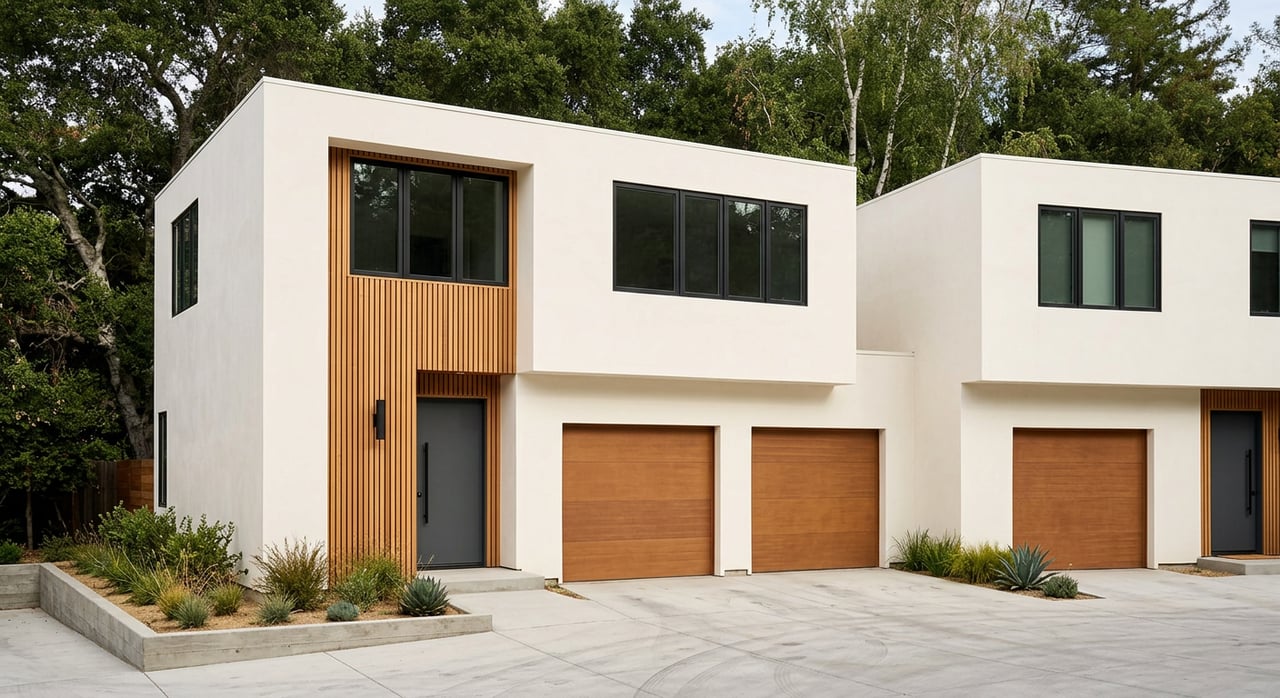
Trying to decide between a San Mateo townhome and a single-family home? In a market where every dollar and square foot matters, the right choice comes down to space, maintenance, transit access, financing, and future costs. You want a home that fits your life today and protects your options tomorrow. In this guide, you’ll learn how each property type stacks up in San Mateo so you can choose with confidence. Let’s dive in.
Market snapshot: prices and pace
Choosing starts with budget. Citywide, San Mateo’s median sale price sat around the mid seven figures as of Redfin, Jan 2026. Countywide, single-family homes carried a higher premium, with a median of about $2.05 million in March 2025, according to the MLSListings county summary. You can review that county figure in the MLSListings report for March 2025 single-family homes.
- See MLSListings county median for single-family homes: March 2025 report.
- For condos and townhomes, historic San Mateo County medians have trended lower than single-family medians, with examples in the mid $800Ks to low $900Ks during 2020 to 2022. See the MLSListings condo and townhome market data for context: Jan 2022 report.
Numbers move month to month and by neighborhood. Use these as a directional starting point, then confirm current comps before you write an offer.
Space and lifestyle differences
Space and privacy
- Single-family homes generally offer larger floor plans, private yards, and more storage. You control exterior projects and can explore additions or an ADU with permits.
- Townhomes often have vertical layouts with shared walls and smaller patios or courtyards. You gain efficient interior space and reduce yard work, but privacy and acoustic dynamics differ from detached homes.
Maintenance and convenience
- Townhomes shift many exterior chores to the HOA, which often handles roofing, exterior paint, and common-area landscaping, depending on the CC&Rs. You pay monthly dues and accept the risk of special assessments.
- Single-family owners handle all exterior upkeep directly, which gives full control over materials, timing, and vendors.
For the legal baseline on who repairs what, California’s Davis-Stirling Civil Code sets default responsibilities for associations versus owners. Review the statute and your specific CC&Rs to see how your community defines roofs, balconies, driveways, and exclusive-use areas. See the Davis-Stirling reference: Civil Code 4775.
Parking and storage
- Townhomes usually include garage or assigned spaces and may have limited guest parking governed by CC&Rs.
- Single-family homes typically have a driveway and private garage, plus more on-lot parking for visitors.
HOAs, dues, and new California laws
Monthly dues and what they cover
HOA dues for San Mateo townhomes vary by age, amenities, insurance costs, and reserve funding. Recent listings show broad ranges, commonly in the mid $300s to $500s per month, with outliers from roughly $225 to $750 or more. Always check the latest HOA budget to see what is included, such as water, trash, exterior maintenance, and insurance, and how much is going to reserves.
Reserves and SB 900
Associations are required to budget for long-term repairs. If reserves are low, owners can face special assessments. A recent state law, SB 900, clarifies HOA responsibility for certain utility service lines that begin in common areas and requires that those lines be treated as major components in reserve studies. Over time, this can influence dues and reserve targets. Review the text of SB 900: California SB 900.
Balcony and deck inspections (SB 326)
California requires periodic inspections of exterior elevated elements in many condo and townhome communities. If an association identifies safety issues, repairs can be urgent and costly, sometimes leading to special assessments. Learn more from the statewide quick guide: Balcony inspection laws.
Insurance differences
- Single-family owners usually carry an HO-3 policy that covers the dwelling and personal property.
- Condo and townhome owners typically carry an HO-6 policy for interior finishes and contents, plus liability and loss-assessment coverage, while the HOA maintains a master policy for common elements and, sometimes, portions of the structure. Confirm what the master policy covers and what it excludes. For a primer, see this comparison: HO-3 vs HO-6.
Location patterns and neighborhood fit
Where townhomes cluster
In San Mateo, many townhomes and condos sit near downtown, El Camino Real, and Caltrain, with walkable access to shops and services. Bay Meadows is a well-known planned area with multiple associations, parks, and transit access. You can browse associations on the city’s list: San Mateo HOA listings.
Where single-family homes dominate
Detached homes are more common across inland neighborhoods, including the Village areas and the Hillsdale and Beresford districts. These settings often offer larger yards and a more traditional residential feel. As always, compare lot sizes and specific block characteristics to match your lifestyle.
Financing and taxes to plan for
Condo and townhome financing
If you plan to use FHA or certain agency loans, your loan may depend on the project’s eligibility. Some condo and townhome communities need project-level approvals, while others may qualify under single-unit approvals. Verify early to avoid surprises in underwriting, especially if your contingency timelines are tight. You can search FHA status here: HUD condominium lookup.
Property taxes and special assessments
California’s Proposition 13 caps annual assessed value increases and reassesses at change of ownership or new construction. Expect your property tax base to reset at purchase. Also review your parcel’s tax bill for special taxes, such as Community Facilities District or Mello-Roos levies, which are common in some newer planned areas and can significantly affect monthly carrying costs. For county assessment resources, start here: San Mateo County Assessor.
Resale and long-term value
Single-family homes often attract wider buyer pools, which can support stronger absolute prices over time and reflect the Peninsula land premium. Condos and townhomes remain attractive for entry price and convenience, but they can be more sensitive to interest rates and project-level issues like litigation, reserve funding, and insurance changes. Use current local comps and your time horizon to weigh the tradeoffs, and keep an eye on the persistent median gap shown in county data.
Who tends to choose what
- First-time buyers and commuters: Townhomes often fit for lower maintenance and proximity to transit or downtown amenities.
- Growing households: Single-family homes typically work better for private yard space and flexible expansion.
- Downsizers: Townhomes can deliver comfort with less upkeep and closer access to services.
Quick checklist before you write an offer
Use this side-by-side checklist to compare any San Mateo townhome or single-family listing.
Ownership and maintenance
- Townhome or condo: Review the HOA resale packet, including CC&Rs, bylaws, rules, budgets, reserve study, meeting minutes, master insurance summary, and litigation disclosures. See the default maintenance rule for context: Civil Code 4775.
- Single-family: Plan for all exterior upkeep and landscaping, and get quotes for roof, paint, and hardscape if items are near end of life.
Financing and project status
- If using FHA or certain agency loans, verify the project’s status early. Check the HUD database or ask your lender to confirm warrantability: HUD condominium lookup.
HOA fees and assessments
- Confirm exactly what dues include, how much is budgeted for reserves, any recent or upcoming special assessments, and whether the association meets SB 900 reserve-planning requirements: SB 900 details.
- For balcony and deck compliance, ask for the latest SB 326 inspection report and any repair schedules: Balcony inspection overview.
Insurance
- Request the HOA master policy summary and verify coverage limits and exclusions. Get an early HO-6 or HO-3 quote to model true monthly costs: HO-3 vs HO-6 explanation.
Local compliance
- Single-family: Confirm private sewer lateral inspection and any city requirements at point of sale or major remodel. See city FAQs: San Mateo sewer lateral and permitting FAQs.
- All property types: Review the preliminary title report for special tax lines and ask escrow for the current property tax estimate based on your offer price. For county resources, visit the San Mateo County Assessor.
Which is right for you?
If you want lower maintenance, convenient access to transit or downtown, and a lower entry price, a San Mateo townhome can be a smart move. If you want private outdoor space, full control over exterior projects, and long-term flexibility such as an ADU, a single-family home is likely the better fit. Your budget, commute, desired yard size, and tolerance for HOA rules and fees will point you in the right direction.
When you are ready to compare specific neighborhoods and properties side by side, reach out. The Gevertz Group pairs decades of Peninsula experience with a hands-on process to help you weigh tradeoffs, read the fine print, and buy with confidence.
FAQs
What is the typical price gap between San Mateo townhomes and single-family homes?
- City medians sit in the mid seven figures as of Redfin, Jan 2026, while the county single-family median was about $2.05 million in March 2025 per MLSListings. Historic county condo and townhome medians have trended lower, with examples in the mid $800Ks to low $900Ks during 2020 to 2022 per MLSListings.
How do HOA fees affect a San Mateo townhome budget?
- Expect a wide range, often mid $300s to $500s monthly, with lower and higher outliers depending on age, amenities, insurance, and reserves. Check the current budget, reserve study, any special assessments, SB 900 impacts on utility components, and whether SB 326 balcony inspections identified repair work.
Can I use FHA financing for a San Mateo condo or townhome?
- Possibly, but it depends on the project. Some communities are approved, others may qualify for single-unit approval, and some are not eligible. Verify status early using the HUD condominium lookup and your lender’s project review.
What property tax items should San Mateo buyers review?
- Your assessed value will likely reset at purchase under Proposition 13. Review your parcel’s tax bill for special taxes such as Mello-Roos or CFD charges, which add to annual costs. For county resources, see the San Mateo County Assessor.
What inspections are unique to condos and townhomes in California?
- Many associations must complete periodic inspections of exterior elevated elements like balconies and walkways under SB 326. Ask for the latest reports and any planned repairs, and factor potential assessments into your budget using this balcony inspection overview.
What local compliance items should I check for San Mateo single-family homes?
- Confirm private sewer lateral inspection and compliance, review the preliminary title report for any special taxes, and get an insurance quote to model monthly costs. Use the city’s FAQs for starting guidance: San Mateo sewer lateral and permitting FAQs.