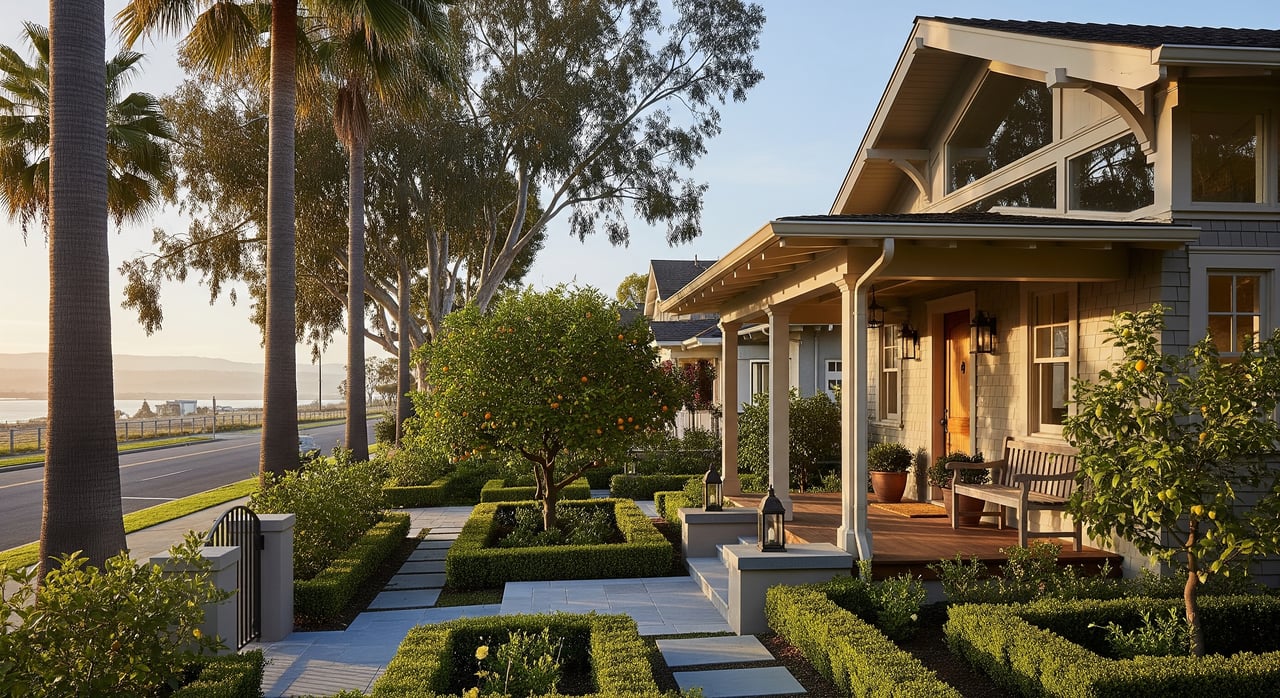
Wondering what a normal Tuesday feels like in Burlingame? Picture tree-lined sidewalks, a quick coffee stop, and a smooth hop to Caltrain or 101 before an easy evening stroll along Burlingame Avenue. If you want small-town ease with big-city access, you’ll find it here. In this guide, you’ll see how daily life flows, which neighborhoods match different routines, and what tradeoffs to consider so you can choose the right fit. Let’s dive in.
The Burlingame vibe
Burlingame blends a polished, walkable downtown with quiet residential streets. You get boutique shopping, cafes, and neighborhood restaurants alongside convenient access to San Francisco, Silicon Valley, and SFO. Weekdays bring steady commuter energy, while evenings and weekends lean relaxed and local.
Typical residents include professionals who commute north or south, families who value parks and walkability, and frequent flyers who appreciate quick airport access. Daily life here is about balance. You can run errands on foot near the core or enjoy more space and privacy in hillside areas.
Neighborhood snapshots
Burlingame Avenue core
This is the heart of the action. You’ll find a lively main street with boutiques, bakeries, and cafes. Living nearby makes it easy to keep most errands and social plans within a 10 to 15 minute walk. Evenings feel friendly and active but not late-night.
Broadway corridor and Caltrain
Broadway offers another commercial spine with restaurants and stores, plus close access to the Caltrain station. Housing here skews denser, with more condos and apartments. If you want transit-oriented living, this area supports quick northbound and southbound train connections.
West of El Camino
These residential blocks feature early 20th-century Craftsman, Edwardian, and bungalow homes on tree-lined streets. Life here is quieter and more traditional, with yard space and neighborhood parks within walking distance.
Burlingame Hills
If you prefer more room and privacy, the hillside areas provide larger lots and newer or upscale homes. The feel is peaceful and suburban. You’ll drive a bit more for errands and dining, with elevated views in some spots.
Bayside and Bay Trail access
Along the bayside you’ll see a mix of office and industrial uses plus shoreline open space nearby. The San Francisco Bay Trail is the draw. If you enjoy long walks, bike rides, and sunset views over the water, this edge of town boosts your outdoor routine.
Housing styles and options
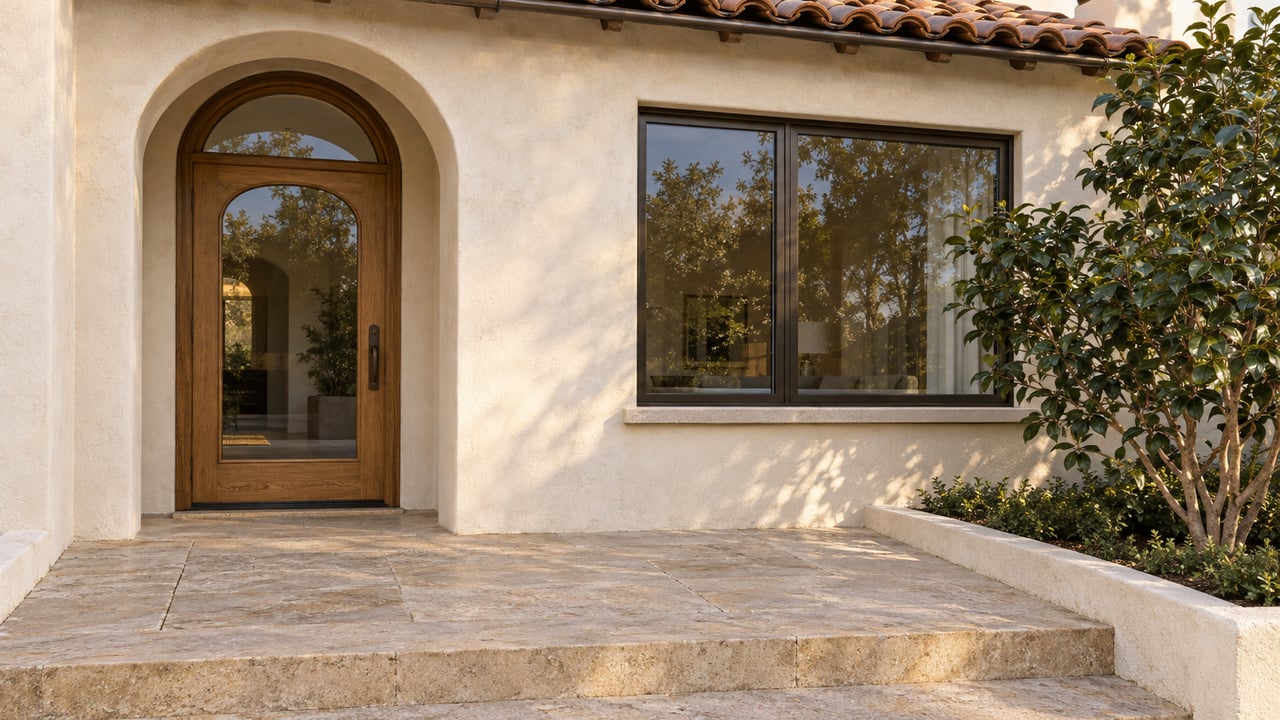
Burlingame’s dominant housing is single-family, especially in central neighborhoods where early 1900s architecture gives the streets character. You’ll see Craftsman bungalows, Edwardian styles, and both Mediterranean and contemporary remodels. Closer to Caltrain and downtown, expect more low-rise multifamily buildings and newer condominiums.
- Downtown condos and small apartments suit singles, couples, and professionals who want a walkable lifestyle and easy transit.
- Central single-family homes appeal if you want yard space and a classic neighborhood feel.
- Hillside properties attract buyers seeking more privacy and larger lots, with tradeoffs in drive time for daily errands.
Getting around
Caltrain commuting
Burlingame’s Caltrain station provides regular service north to San Francisco and south to major Peninsula job centers like Redwood City, Palo Alto, and San Jose. Ride times vary by local or express service, but you can count on a direct, car-free route for work and city trips.
Highways and driving
Highway 101 runs through Burlingame for straightforward north–south access. Interstate 280 sits nearby on the western Peninsula as an alternative route. Many residents combine driving with transit depending on the day.
Airport proximity
San Francisco International Airport is close, which is a major plus if you travel often or work near the terminals. Most trips to SFO are a short drive, taxi, or shuttle. Keep in mind that airplane noise can vary by neighborhood, so it’s smart to evaluate this block by block.
Walking and biking
Downtown and Broadway are very walkable. Many residents do daily errands on foot. Cyclists tap into the Bay Trail for longer rides, while comfort and infrastructure can vary by street. If you live near the core, you may find you drive less.
Parking
Single-family homes usually include driveways or garages. Downtown parking is a mix of street meters and small lots. Condos near transit commonly include assigned spaces, which simplifies car storage even if you are primarily on foot.
Daily routines to expect
Mornings
You’ll notice a gentle rush as commuters head to Caltrain or hop onto 101 or 280. Coffee shops and bakeries on Burlingame Avenue and Broadway see morning lines. Dog walkers and runners share the sidewalks, often pairing a quick espresso stop with a short stroll.
Errands and groceries
You can cover most of your weekly needs with a combination of national chains and local markets. Living near the downtowns makes it easy to pick up fresh items on the way home. Many residents do a larger weekly shop and fill in with quick daily purchases.
Dining and evenings
Local dining leans friendly and varied, from casual cafes to higher-end sit-down restaurants. Nights are more neighborhood-oriented than clubby, which makes dinner out, a dessert stop, and a quiet walk a popular combo.
Parks and outdoor time
Neighborhood parks offer fields, tennis courts, and picnic lawns for daily exercise and downtime. On the shoreline, the Bay Trail provides a scenic path for walking, running, or biking. Dog owners have easy options for short and long outings.
Community amenities
The public library, community centers, and local programs add structure to the week. Farmers markets and seasonal events pop up on weekends, drawing people downtown to stroll, shop, and catch up with neighbors.
Practical tradeoffs to weigh
Noise and the airport
Proximity to SFO is convenient, but noise exposure is not uniform. It can vary by block and by time of day. When you tour, pause to listen at different hours so you can decide how the convenience-to-sound balance feels to you.
Walkability vs. car use
If you live near Burlingame Avenue or Broadway, you can keep a lot of life on foot. Outlying hillside or bayside areas usually mean more driving for errands. Decide whether you prefer a shorter commute and walkable routines or more space and privacy with a bit more drive time.
Weather and microclimate
Burlingame enjoys a mild, Mediterranean climate. Expect cool or foggy mornings in some areas, especially near the bay, and sunnier afternoons. Outdoor plans often shift to midday for warmth and bayfront walks.
Cost of living context
As part of the Bay Area Peninsula, living costs are higher than national averages. That can shape housing choices, household size, and location priorities. Knowing your must-haves helps you focus on the right neighborhoods and property types.
Weekend sketches: picture yourself here
The Caltrain commuter
You start Saturday with a late breakfast on Burlingame Avenue, then browse boutique windows. In the afternoon, you take a breezy ride along the Bay Trail. Dinner is a relaxed reservation back downtown, followed by an easy walk home.
The family errand loop
Midmorning park time for the kids, then a quick grocery run nearby. You pick up takeout on Broadway for a backyard dinner. Sunday brings a longer bike ride bayside and a low-key evening at a neighborhood restaurant.
The relaxed retiree
Coffee and a pastry near Burlingame Avenue, a stop at the library, and an unhurried stroll to run small errands. In the afternoon, you meet friends for a simple dinner and catch sunset colors from a quiet side street.
The frequent flyer
You keep a packed bag by the door. A short trip to SFO gets you on your way, and you’re home fast on your return. Between trips, you enjoy a compact routine near downtown with minimal driving and easy nights out.
How to choose your Burlingame fit
Use this quick checklist to narrow the best match for your routine:
- Prioritize walkability: Look near Burlingame Avenue or Broadway for coffee, dining, errands, and Caltrain access.
- Prefer privacy and space: Explore hillside areas for larger lots and a quieter feel.
- Want bikes and bay views: Consider bayside neighborhoods with convenient access to the Bay Trail.
- Need a balanced commute: Weigh Caltrain proximity against 101 or 280 access based on your work location.
- Sensitive to sound: Visit favorite blocks at different times to gauge airplane noise and everyday activity.
- Parking preferences: Confirm garage or assigned parking availability, especially near downtown.
Work with local experts
Choosing the right pocket of Burlingame is about matching your day-to-day habits to the neighborhood’s rhythm. A few blocks can change your commute, your noise level, and how often you drive. If you want a clear, confident plan, we can help you compare options, preview homes, and map tradeoffs you might not spot on your own.
Talk with the Gevertz Group to explore homes and daily-life fits across Burlingame and the mid-Peninsula. Request a Personalized Market Consultation and start planning your move with a trusted, boutique team.
FAQs
What is the overall lifestyle like in Burlingame?
- Expect a relaxed, walkable downtown paired with easy regional access for work and travel. Daily life is friendly, convenient, and oriented around local dining, parks, and simple routines.
How do people typically commute from Burlingame?
- Many residents use Caltrain for a direct ride to San Francisco or Peninsula job centers, while others drive via 101 or 280. Your choice depends on where you work and how close you live to the station.
Is it realistic to live car-light in Burlingame?
- Yes if you live near Burlingame Avenue or Broadway, where errands, dining, and Caltrain are close. In hillside or more outlying areas, most people rely on a car for daily needs.
What is dining and nightlife like in Burlingame?
- Dining is varied and neighborhood-friendly, with cafes, family restaurants, and a few higher-end spots. Evenings are active but not late-night, which suits low-key plans.
How close is Burlingame to the airport, and is noise an issue?
- SFO is nearby for quick trips, and noise impact varies by neighborhood. It’s best to visit your target blocks at different times to evaluate sound levels in person.
Which neighborhoods feel most walkable in Burlingame?
- Areas close to Burlingame Avenue and the Broadway corridor offer the most walkable routines, while the hills and some bayside pockets emphasize space and privacy over proximity to shops.