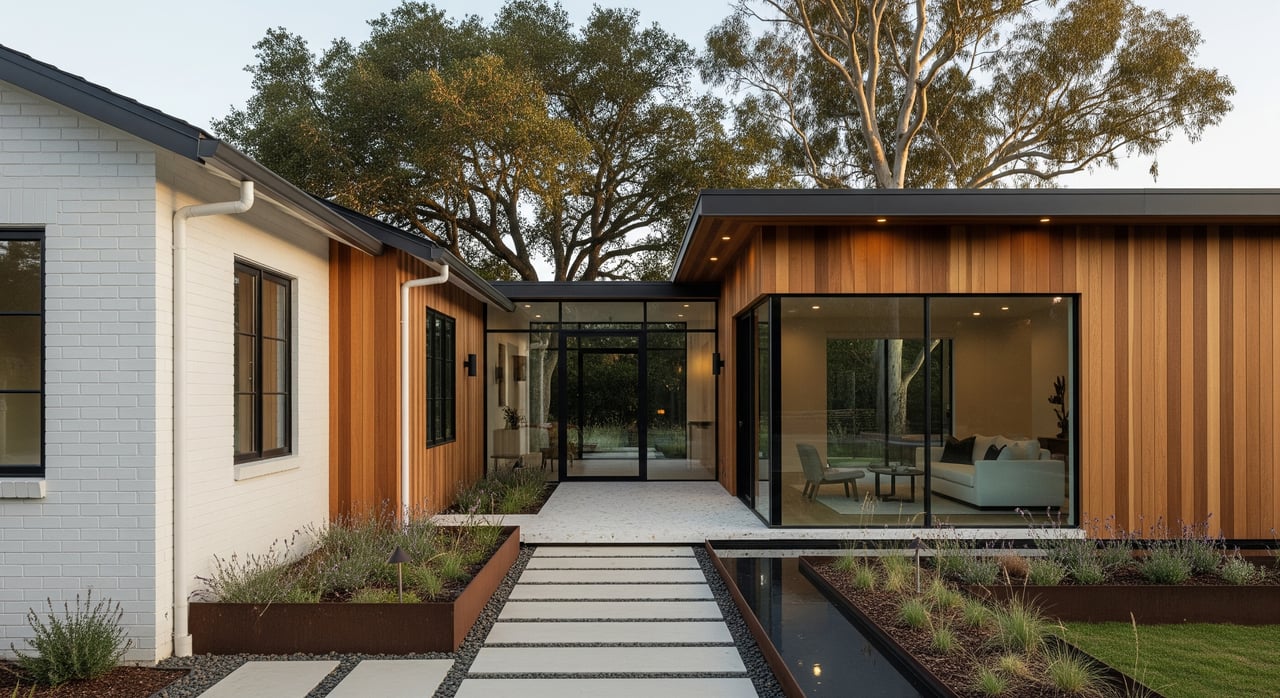
Should you take your Menlo Park home down to the studs or all the way to dirt? It is a big decision that affects your budget, timeline, and lifestyle for the next few years. You want clarity before you commit to plans, permits, and temporary housing. In this guide, you will learn how Menlo Park rules, costs, financing, and market factors shape the choice so you can move forward with confidence. Let’s dive in.
Quick reality check in Menlo Park
Menlo Park sits in a high‑value, supply‑constrained Peninsula market. Land value, neighborhood comparables, and local zoning often matter more than personal preference. The core tradeoff is control and modern performance versus cost, time, and risk.
- Remodels usually cost less upfront and take less time than a new build.
- New builds deliver full design freedom, modern systems, and often more space.
- The risk is overbuilding beyond what nearby sales can support at resale.
When a remodel makes sense
A remodel is often the smarter path when your home’s structure is fundamentally sound and your space goals are modest. You can preserve parts of the foundation, utilities, and site improvements. That can reduce soft costs, impact fees, and disruption.
- You want to update kitchens, baths, and systems without changing the roofline much.
- You can live in the home during phases or arrange a shorter stay elsewhere.
- You want to maintain neighborhood scale that local buyers expect.
Whole‑house remodels can still be substantial. Title 24 energy requirements may push upgrades to insulation, mechanical systems, and electrification readiness. Budget for contingencies in case you uncover rot, termite damage, or hazardous materials after opening walls.
When a new build makes sense
A full teardown gives you a clean slate. You can reconfigure floorplates, improve energy performance, and plan for an ADU or duplex potential where state laws allow. You also gain control over structure and site drainage, which matters for long‑term durability.
- You want to add significant square footage within the allowed build envelope.
- The foundation or structure makes a remodel cost‑prohibitive.
- You want to optimize for modern systems, energy efficiency, and smart home features.
New construction usually triggers broader entitlements, higher permit and impact fees, and a longer timeline. Market or financing changes during a 12 to 24 month build can affect risk and carrying costs. Confirm neighborhood comps so the final product aligns with what buyers in your area are paying.
Costs and financing on the Peninsula
The Menlo Park and San Mateo County building market carries higher labor and material costs than national averages. Plan for both hard and soft costs and add a realistic contingency.
Typical cost buckets
- Soft costs: architect and design, structural and civil engineering, geotechnical reports, permit and plan check fees, impact fees, consultants like energy and arborist.
- Hard costs: demolition and site prep, foundation and framing, exterior envelope, interior finishes, mechanical, plumbing, electrical, landscaping, and driveway or site work.
- Overhead and profit: contractor markup, builder contingency of 10 to 20 percent, and interest during construction.
For remodels, hazardous material abatement or structural retrofit work can add costs once walls are open. For new builds, impact fees and utility connection costs are often substantial.
Financing options
- Remodel financing: cash, HELOC, home equity loan, or a cash‑out refinance. Smaller projects often use draws from a HELOC.
- New construction: a construction loan that is interest‑only during the build and converts to a permanent mortgage. Lenders typically want detailed plans, budgets, and a qualified general contractor.
Lender underwriting looks at expected post‑construction value. If your plans exceed neighborhood comps, the loan size may be limited.
Taxes, codes, and incentives
- Property taxes: adding square footage or building new can trigger reassessment of the added value, which can lead to supplemental tax bills. A sale resets assessed value for the buyer.
- Energy code: California Building Code and Title 24 apply to new builds and significant remodels. Expect higher efficiency standards and electrification readiness, with possible rooftop solar on many new homes.
- Incentives: federal and state credits or rebates for electrification, heat pumps, and solar can offset some costs. Programs change, so confirm current availability before you finalize specs.
Permits and rules to know
Menlo Park’s municipal code sets what you can build and where you can place it on the lot. Early due diligence on zoning, trees, and site constraints will save time and money.
Zoning and size controls
Each residential zone has rules for setbacks, height, lot coverage, and maximum floor area. These directly limit additions and new builds. Review your property’s zoning map and objective standards before sketching plans.
Design review and demolition
Large remodels and new houses may trigger design review, especially if you propose massing that exceeds objective standards. Demolition of a home usually requires permits and can involve discretionary review if the structure may be historically significant.
Tree protection and landscaping
Menlo Park protects significant and heritage trees. Removal or work in the root zone often requires permits and an arborist report. Required mitigation, such as replacement trees, can affect your site plan and schedule.
Hazardous materials and environmental review
Older homes often contain asbestos or lead‑based paint. Abatement may be required before demolition or during major remodels. Most single‑family projects are ministerial or exempt, but larger or contentious proposals can trigger environmental review that adds time and cost.
ADUs, SB 9, and lot potential
State law supports accessory dwelling units, with local objective standards for setbacks, height, and parking exemptions. SB 9 can allow certain lot splits or duplexes. Practical constraints like utilities, CC&Rs, or site conditions may limit what is feasible. Confirm rules and capacity early.
Utilities, soils, and floodplain
Map existing water and sewer laterals and confirm capacity. Upgrades can add cost and coordination time. Geotechnical reports are standard for new foundations in the Bay Area. If you are near the bayfront or in a mapped flood zone, additional standards and insurance requirements may apply.
Historic or landmark properties
If your parcel is locally listed or in a historic overlay, exterior changes and demolition may be restricted or require special review. Check status at the start to avoid re‑design.
Timeline: what to expect
Construction schedules vary by scope, plan check cycles, and contractor capacity. Build in cushion for revisions and inspections.
- Small to medium remodels: weeks to 3 to 6 months.
- Whole‑house remodels with structural work: 6 to 12+ months.
- Teardown and custom new build: 12 to 24+ months from design kickoff to completion.
Common delays include plan review revisions, hazardous material abatement, protected tree issues, neighbor objections to massing, skilled labor shortages, weather, and utility coordination. Strong pre‑planning and a seasoned local team help you stay on track.
How to decide: a simple framework
Use this four‑part framework to compare options on your specific lot.
1) Zoning and site feasibility
- Confirm zoning, setbacks, height, and maximum floor area.
- Identify protected trees, easements, and possible historic status.
- Check utilities, sewer lateral condition, soils, and flood zone.
2) Program and cost ranges
- List must‑have spaces and target square footage.
- Ask an architect and contractor for high‑level cost ranges for both paths.
- Add 10 to 20 percent contingency and include soft costs and fees.
3) Market value and risk
- Model resale value for a renovated home versus a new product on the lot.
- Review neighborhood comparables to avoid overbuilding.
- Consider rental potential of an ADU if allowed.
4) Timeline and lifestyle
- Estimate construction duration and the cost of temporary housing.
- Decide how much disruption you can tolerate and when you want to move in.
- Choose the path that best fits your budget, lifestyle, and risk tolerance.
Common pitfalls to avoid
- Overbuilding relative to neighborhood comps, which limits value capture.
- Underestimating soft costs, impact fees, and contingencies.
- Skipping early arborist, soils, or survey work that later forces redesign.
- Assuming you can keep living in the home during major structural work.
- Selecting a contractor without Peninsula experience and strong references.
Risk management tips
- Order a quick constraints report with an architect and planner before design.
- Get an arborist site walk if large or mature trees are present.
- Secure soil and topographic surveys early to clarify foundation and drainage.
- Build a realistic budget with contingencies and financing lined up.
- Align design with objective standards to streamline approvals where possible.
Remodel or rebuild: matching goals to outcomes
If your long‑term goal is a custom home with modern systems and optimized layout, and your lot can support it under local rules, a new build can be worth the longer timeline. If you want to boost function and market appeal without the risk and cost of a full teardown, a well‑planned remodel can deliver excellent results. In both cases, value capture depends on aligning scope with neighborhood norms and recent sales.
Your next steps in Menlo Park
- Call Menlo Park Planning and Building to confirm zoning and permit scope.
- Meet a Peninsula architect to assess what fits your lot and budget.
- Ask a local lender about HELOC versus construction‑to‑permanent loans.
- Request a market value analysis for both a renovated and new‑build scenario.
- Build a preliminary schedule with time for plan check, revisions, and inspections.
You do not have to make this decision alone. With decades of mid‑Peninsula experience, white‑glove vendor coordination, and proven results, the Gevertz Group can help you compare scenarios, connect you with the right professionals, and plan for a successful outcome. Request a Personalized Market Consultation and get a clear, step‑by‑step path forward.
FAQs
What are the biggest cost drivers for Menlo Park projects?
- Soft costs, impact fees, and professional services plus labor‑heavy trades, structural work, and energy‑code compliance drive budgets. Include a 10 to 20 percent contingency for surprises.
How long do permits typically take in Menlo Park?
- Straightforward permits and ministerial ADU approvals can be weeks to a few months; projects needing design review or variances can take longer due to plan check cycles and hearings.
Will adding square footage increase my property taxes?
- Yes. New construction or substantial additions commonly trigger reassessment of the added value and supplemental tax bills. A sale resets assessed value for the buyer.
Can I add an ADU to help offset costs?
- Often yes. State law supports ADUs, but local objective standards for setbacks, height, and parking apply, and site or utility constraints can limit feasibility.
Is a new build always worth more than a remodel at resale?
- Not always. Value capture depends on neighborhood comparables, lot potential, and market demand. Overbuilt homes can struggle to recoup costs, while thoughtful remodels often perform well.