Would you pay more for a home that lets you walk to coffee, groceries, a park, and the train? Many Belmont buyers would. If you want convenience, lower car dependence, or a more active lifestyle, walkability can be a real value driver. In this guide, you will learn what walkability means in Belmont, how it can influence price, and smart steps to buy or sell with confidence. Let’s dive in.
Bottom line for Belmont
Walkability typically matters in Belmont. Homes near everyday amenities and transit often draw stronger interest, though the size of any price effect varies by micro‑neighborhood and buyer needs. In a supply‑constrained Peninsula market, location‑based perks like walkability and rail access can be especially influential. Treat walkability as one of several value factors, not a standalone price rule.
What “walkability” really means
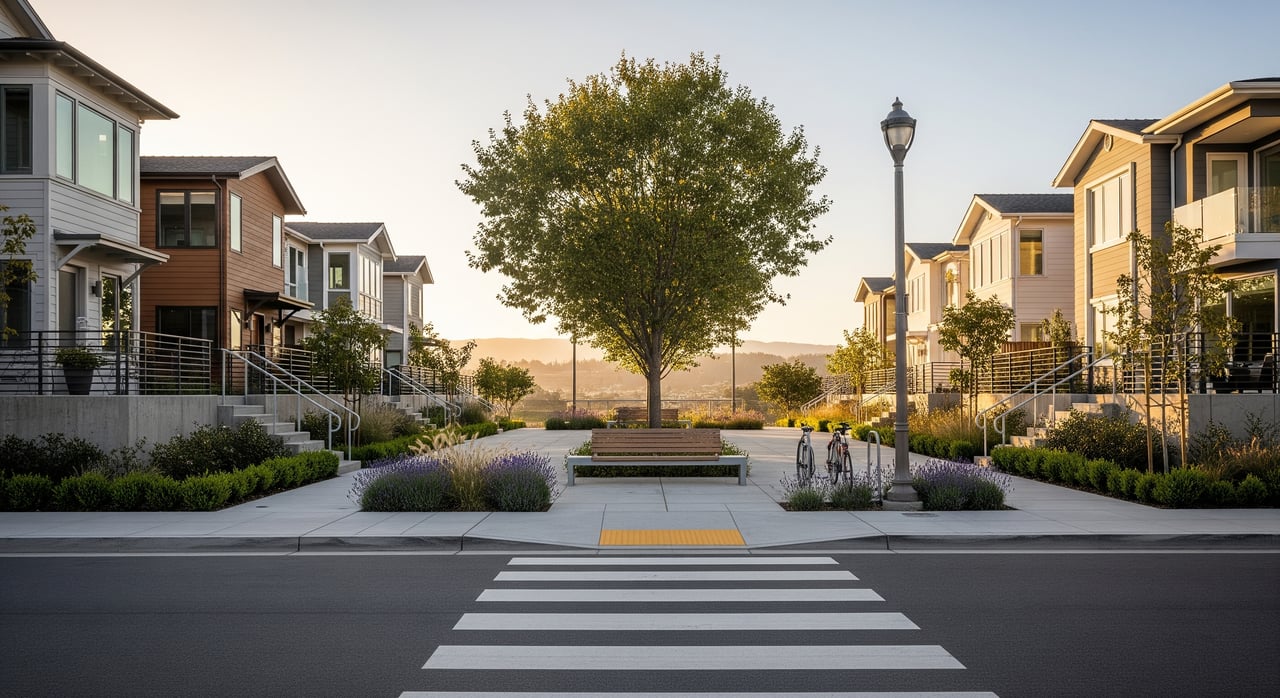
Walkability covers more than a short distance on a map. It includes how easily you can reach daily destinations like grocery stores, cafes, parks, schools, and transit on foot, plus sidewalk quality, street comfort, and the pleasantness of routes. Simple metrics such as Walk Score, Transit Score, and Bike Score can help you compare addresses quickly. These are helpful proxies, but they do not capture everything, including hills, crossings, and perceived safety along the way.
Belmont context that matters
Belmont is primarily residential with pockets of shops, services, parks, and regional rail nearby in neighboring cities. Proximity to Caltrain and neighborhood retail streets is where walkability tends to concentrate and where you are most likely to see buyer interest tied to foot‑friendly access. Topography is a real factor: hillside streets and longer grades can reduce how “practically walkable” a home feels even when amenities are close by. Corridors with higher traffic may also change how comfortable a walk feels for different buyers.
How walkability can influence price
Across many markets, research shows a positive association between walkability and property values. In high‑cost, supply‑constrained areas like the Peninsula, location advantages such as rail access and amenity‑rich streets can carry meaningful weight with buyers. Commuters, younger professionals, empty‑nesters, and some households that prioritize quick access to parks or schools often value walkable locations. While walkability can support stronger pricing and interest, the premium is not universal and shifts with market cycles, commuting trends, and neighborhood specifics.
Why buyers value it
- Convenience for daily errands without always needing a car.
- Easier access to Caltrain for San Francisco or Silicon Valley commutes.
- Health and lifestyle preferences that favor time on foot.
- A sense of neighborhood activity and nearby gathering spots.
Tradeoffs to weigh as a buyer
Walkable homes can come with compromises. You might accept a smaller lot, a home closer to commercial activity, or more street noise near transit. Hills can also change the feel of a “5‑minute walk” into a steeper climb, so test the route in person. If you rely on transit or want a car‑light lifestyle, those tradeoffs may be worth it. If you value a quieter, more secluded setting, you might prioritize other features instead.
Practical ways to assess an address
- Check a home’s Walk Score and Transit Score to compare basic amenity and rail access across options.
- Time real walking routes to your personal must‑have destinations: coffee, groceries, parks, schools, and Caltrain.
- Walk the route at the times you would normally use it to assess crossings, lighting, and comfort.
- Note the topography. In Belmont, grades matter for day‑to‑day walkability.
- Compare days on market and pricing for nearby recent sales with similar home features, then layer in walkability and transit access.
Where walkability tends to cluster
- Near Caltrain stations in and around neighboring city centers along the Peninsula corridor.
- Around commercial and mixed‑use streets with groceries, services, and cafes.
- Close to parks and community facilities that attract regular foot traffic.
These areas often appeal to commuters and households that want quick, on‑foot access to daily needs. Properties just outside these nodes can still feel walkable if routes are direct and comfortable.
What this means for sellers
Walkability can be an important selling point for the right buyer. If your property offers convenient routes to transit or daily errands, make that visible in your marketing.
- Highlight specifics: typical walking minutes to transit, groceries, parks, and cafes.
- Share the best pedestrian routes buyers should try during showings.
- Emphasize everyday convenience for commuting or errands.
- If relevant, note recent local pedestrian or streetscape improvements.
Small touches help, too. Tidy sidewalks, good lighting, and thoughtful landscaping can improve the on‑foot experience during open houses. Simple on‑site signage that shows walking times to key destinations can reinforce convenience.
Pricing and presentation tips for sellers
- Work from comps that closely match your home’s size, condition, and lot, then adjust for walkability and transit access where relevant.
- Use multi‑year sales windows if needed to counter small sample sizes in Belmont.
- Be mindful of tradeoffs. If you are close to commercial activity or the rail corridor, acknowledge and frame the benefits clearly for buyers who want that convenience.
Buyer strategies to find the right fit
- Start with your daily routine. Which places must be walkable for you: the rail platform, a grocery store, a playground, or a cafe?
- Prioritize walkability features that match your lifestyle, not just a score.
- Balance walkability with lot size, yard needs, noise tolerance, and privacy.
- Compare similar homes across slightly different locations to see how walkability shows up in pricing and demand.
Days on market and demand
Walkability can make listings more desirable to buyer segments that prioritize it, and that may support faster interest in some cases. The effect is not the same in every market cycle or micro‑neighborhood. Use recent, close‑in comps and current market conditions to gauge the likely impact on timing.
Planning and future outlook
Local planning and regional transit policies influence how walkability evolves. General plan updates, pedestrian improvements, and transit‑oriented development near rail nodes can enhance long‑term access to amenities. As these projects move forward over time, properties with strong pedestrian connections may see sustained demand from buyers who value on‑foot convenience.
How to compare two similar homes
Use a simple side‑by‑side approach to isolate walkability from other features:
- Match core specs: square footage, beds and baths, lot size, condition, and architectural era.
- Compare walkability measures: Walk Score bands and actual walking minutes to daily needs.
- Note route quality: hills, crossings, sidewalk continuity, and lighting.
- Review recent sales performance: pricing relative to list, days on market, and the presence of transit access in listing remarks.
If one home is clearly more walkable and aligns with your lifestyle, that attribute may justify a stronger offer. If walkability is less important to you, consider placing more weight on lot size, layout, or privacy.
What to remember
- Walkability is usually associated with higher buyer interest in Belmont, especially around transit and neighborhood retail, but the premium varies.
- Hills and route quality can reduce practical walkability even when distances are short.
- For sellers, clearly market walkability benefits. For buyers, test routes and weigh tradeoffs.
- Use local data and like‑for‑like comps to quantify any price difference.
Partner with a local advisor
Evaluating walkability in Belmont is nuanced. You want a guide who understands the micro‑neighborhoods, hills, and rail access points and who can back advice with relevant comps and a clear strategy. For boutique, hands‑on guidance and marketing that showcases what makes your property special, connect with the Gevertz Group for a Personalized Market Consultation.
FAQs
Does walkability affect Belmont home prices?
- Walkability is commonly associated with stronger buyer demand in Belmont, especially near transit and neighborhood retail, but the magnitude varies by location and market conditions.
How close to Caltrain is considered walkable in Belmont?
- It depends on your routine and route quality; many buyers prioritize a short, comfortable walk to the platform, so time the path you would actually use during commute hours.
Is Walk Score enough to judge Belmont homes?
- Use Walk Score as a quick proxy, then verify with real walking times and route quality because hills, crossings, and sidewalks can change the on‑foot experience.
Do walkable homes sell faster in Belmont?
- Walkability can help listings stand out for buyers who value it and may reduce days on market in some cases, though results vary by micro‑market and cycle.
Should remote workers pay extra for walkability in Belmont?
- If you commute infrequently, you might value quiet streets or larger lots more, but if you run daily errands on foot or enjoy nearby parks and cafes, walkability can still be worth a premium to you.