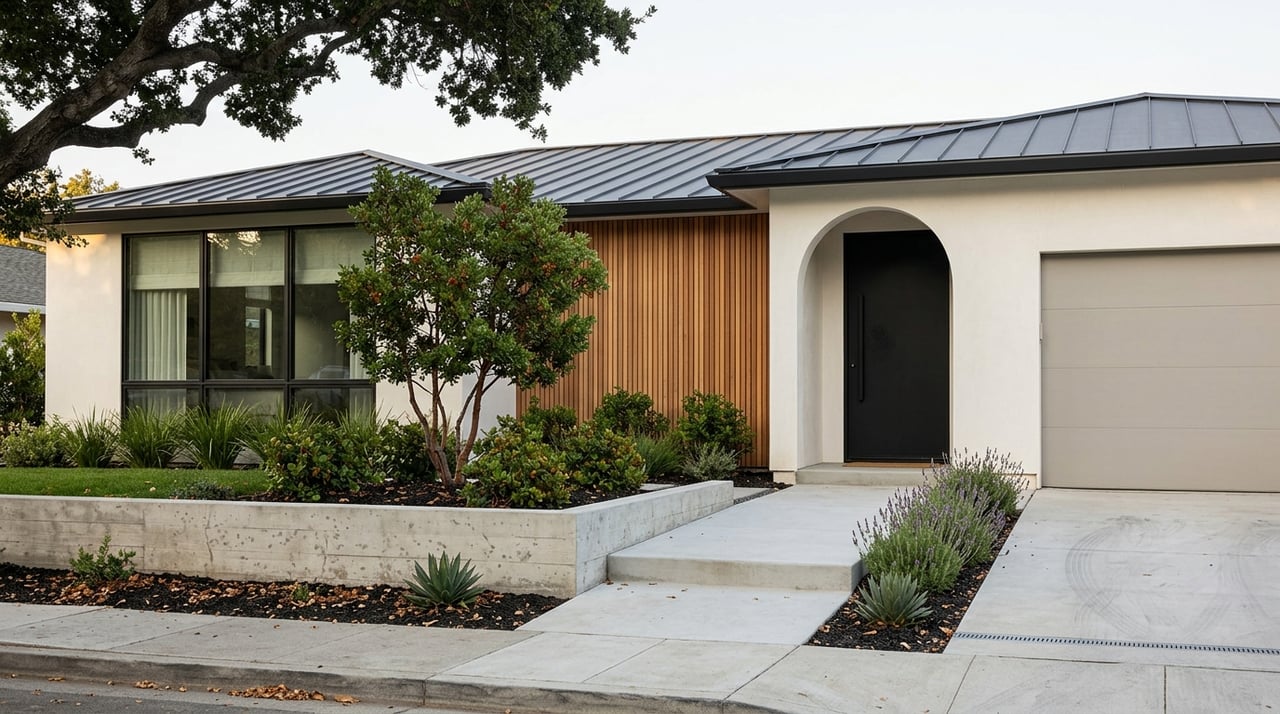
Wondering which San Mateo neighborhood actually fits your lifestyle? That is one of the biggest questions buyers face here, because San Mateo does not feel like one uniform market. Instead, it is a collection of distinct neighborhood pockets, each with its own mix of housing style, transit access, parks, and day-to-day convenience. If you are trying to narrow your search, this guide will help you compare the areas buyers talk about most and understand what sets them apart. Let’s dive in.
San Mateo Is a Patchwork Market
San Mateo is best understood as a city of overlapping neighborhood areas rather than neatly separated zones. City neighborhood association boundaries and community planning materials show that some labels blur at the edges, especially near the west-side historic core and around the rail corridor.
That matters when you are home shopping. Two homes with the same San Mateo address can offer a very different feel depending on whether you value walkability, older architecture, station access, park space, or a quieter residential setting.
The city also places much of its transit-oriented development focus around Downtown, Hillsdale, and Hayward Park. That helps explain why some parts of San Mateo feel more mixed-use and connected, while others feel more residential and tucked away.
Transit Access Changes the Feel
One of the clearest differences between San Mateo neighborhoods is commute convenience. The city has three Caltrain stations within San Mateo: San Mateo, Hayward Park, and Hillsdale.
Downtown San Mateo centers around the San Mateo station on B Street, with quick access to restaurants, shops, Central Park, the public library, and the Century theater. Hillsdale and Hayward Park also anchor nearby neighborhoods in different ways, especially where the city has planned for more transit-oriented growth.
For buyers, the practical takeaway is simple. Some neighborhoods put you close to a station and daily errands, while others trade that proximity for larger lots, older homes, more tree canopy, or a more residential feel.
West-Side Neighborhoods With Historic Character
If you are drawn to mature landscaping, older homes, and established streetscapes, the west-side historic core often gets the most attention. This includes San Mateo Park, Baywood, and Aragon.
San Mateo Park
San Mateo Park was designed in 1896 by George Howard and landscape architect John McLaren. The neighborhood is known for winding streets that follow the terrain, landscaped islands, and a collection of period homes that includes Queen Anne, Craftsman, and revival styles from the 1920s and 1930s.
For a buyer, the appeal is often the neighborhood design as much as the homes themselves. The streetscape feels intentional, tree-rich, and architecturally varied in a way that stands apart from more standard grid neighborhoods.
Baywood
Baywood began as a 1927 subdivision of the Parrott estate. Historic descriptions highlight rolling hills, wooded knolls, curving streets, and a cohesive neighborhood look shaped by custom homes and landscaping.
Many homes reflect Spanish Colonial Revival influences, along with other period styles. Community materials also describe Baywood as mostly single-family with some apartments and condos, and note its access to downtown, the library, and Bay Tree Park.
Aragon
Aragon is commonly grouped with Baywood and San Mateo Park as part of the west-of-El-Camino historic area that developed in the early 20th century. Community materials describe it as mostly single-family with some multifamily housing.
The architecture includes strong Spanish Colonial Revival and Tudor Revival influence, with Craftsman, Colonial Revival, and Streamline Moderne also represented. Buyers often look here when they want close-in access to downtown amenities while still prioritizing established residential streets.
Who These Areas Often Suit
These west-side neighborhoods tend to attract buyers who want:
- Older architectural styles
- Mature trees and established landscaping
- A close-in Peninsula setting
- A more traditional residential feel near downtown amenities
Close-In Neighborhoods With Strong Transit Access
If your search starts with commute ease, lower-maintenance living, or a wider range of housing types, Hayward Park, North Central, and Bay Meadows deserve a close look.
Hayward Park
Hayward Park is described in community input as mostly single-family, with some duplexes and multifamily housing. Many homes date to the 1920s, 1930s, and 1940s, and local descriptions also point to classic California bungalows and wide, tree-lined streets.
The neighborhood’s location near Hayward Park Caltrain Station is a major differentiator. Buyers who want older homes and neighborhood charm, but still care about train access and proximity to Central Park, often focus here.
North Central
North Central sits next to downtown and is often described in city materials as vibrant and diverse. The housing mix includes single-family homes, apartments, multifamily properties, and condos.
This area is strongly tied to Caltrain, the Bay Trail, and nearby parks such as Central and King. At the same time, community input has noted recurring concerns related to parking, traffic, renter issues, and flood adaptation, which gives buyers useful context when comparing North Central with quieter, more purely residential areas.
Bay Meadows
Bay Meadows offers a very different feel from San Mateo’s older neighborhoods. Built on the former racetrack site, it is a roughly 83-acre mixed-use community of homes, offices, and retail right by Hillsdale Caltrain Station.
The neighborhood reflects the city’s transit-oriented development focus and has a newer, more urban layout. Its parks and amenities include a full-size soccer field, a walking loop, a passive lawn, picnic areas, and restrooms, which adds to the live-work-play appeal many buyers are looking for.
Who These Areas Often Suit
These close-in neighborhoods often appeal to buyers who want:
- Shorter walks to Caltrain
- More varied housing options
- A mixed-use environment
- A lower-maintenance lifestyle than older single-family districts
East-Side and Hillside Areas Offer Different Lifestyles
Outside the historic west side and the downtown rail corridor, San Mateo also includes neighborhoods that feel more suburban, bay-adjacent, or topographically distinct. Beresford and Hillsdale, Shoreview and Marina Lagoon, and the Highlands each stand out in different ways.
Beresford and Hillsdale
The Beresford Hillsdale area covers a broad section between El Camino Real and Alameda de las Pulgas from 28th Avenue to the Belmont border, with additional areas extending west toward Highway 92 except Laurelwood. Community materials describe it as mostly single-family, with some duplexes and apartments.
This area is often associated with everyday convenience. Buyers will notice nearby bus lines and access to parks, including Beresford Park, which features tennis, bocce, ballfields, a skate park, a playground, a recreation center, and the city’s only community garden.
Shoreview, North Shoreview, and Marina Lagoon
Shoreview-Parkside and North Shoreview sit on the east side between Highway 101 and the Bay. Community materials describe North Shoreview as a bayside area with a mix of single-family homes, planned unit developments, and condos.
Marina Lagoon is a major identity feature here. City materials describe it as both a flood-control basin and a recreation corridor with trails, beaches, picnic areas, boating, swimming, and other water activities. If bay-adjacent recreation matters to you, this part of San Mateo offers something distinct.
San Mateo Highlands
The Highlands has one of the most recognizable design identities in San Mateo. It is a modernist residential neighborhood west of central San Mateo and includes the largest contiguous Joseph Eichler development, with more than 700 single-family homes.
Architecturally, the area is known for California Modern and Mid-Century Modern design, narrow lots, terraced topography, and views toward the reservoir and Bay. Bounded by I-280, Highway 92, Polhemus Road, and Crystal Springs Road, it feels more hillside-oriented and separated from the flatter parts of the city.
Who These Areas Often Suit
These neighborhoods often appeal to buyers who want:
- A more suburban residential setting
- Access to parks and recreation
- Bay or lagoon proximity
- Distinctive mid-century architecture and hillside views
A Quick Way to Narrow Your Search
If you are still comparing neighborhoods, it helps to start with your top priority instead of trying to evaluate every area at once.
Use this quick sorting guide:
- Historic architecture and mature trees: San Mateo Park, Baywood, or Aragon
- Older homes with stronger downtown and Caltrain access: Hayward Park or North Central
- Newer construction and station-adjacent mixed-use living: Bay Meadows
- Mostly single-family setting with parks and daily convenience: Beresford and Hillsdale
- Mid-century modern design and hillside setting: San Mateo Highlands
- Bay-adjacent recreation and mixed housing options: Shoreview, North Shoreview, or Marina Lagoon
What Matters Most as You Tour
Neighborhood selection in San Mateo usually comes down to tradeoffs. One area may offer easier train access, while another gives you a stronger sense of architectural history or a more park-oriented setting.
As you tour, pay attention to how each neighborhood feels in real life. Look at street patterns, housing mix, access to parks, proximity to transit, and how much daily activity you want around you.
The goal is not to find the universally best neighborhood. It is to find the one that fits the way you want to live.
If you want help sorting through San Mateo’s neighborhood choices, pricing patterns, and home styles, the Gevertz Group offers personalized market guidance rooted in deep Peninsula knowledge and a high-touch approach.
FAQs
Which San Mateo neighborhoods are known for historic homes?
- San Mateo Park, Baywood, and Aragon are most closely associated with historic character, mature trees, and early 20th-century architecture.
Which San Mateo neighborhoods are closest to Caltrain?
- Downtown San Mateo, Hayward Park, and Bay Meadows are closely tied to San Mateo’s three Caltrain stations: San Mateo, Hayward Park, and Hillsdale.
Which San Mateo neighborhood has newer homes and mixed-use living?
- Bay Meadows is the clearest example of a newer mixed-use neighborhood, with homes, offices, retail, parks, and direct proximity to Hillsdale Caltrain Station.
Which San Mateo neighborhood is known for Eichler homes?
- San Mateo Highlands is known for its large concentration of Joseph Eichler homes and its strong Mid-Century Modern identity.
Which San Mateo neighborhoods offer bay or lagoon access?
- Shoreview, North Shoreview, and the Marina Lagoon area stand out for bay-adjacent location and access to recreation such as trails, beaches, boating, and picnic areas.
How should homebuyers compare San Mateo neighborhoods?
- Start by ranking your priorities, such as architecture, transit access, parks, housing type, or neighborhood setting, then focus on the San Mateo areas that best match those needs.