If you are choosing between a waterfront and an off-water home in Redwood Shores, the decision is usually not as simple as “better view versus lower price.” In this part of Redwood City, water is woven into daily life, but so are levees, HOA rules, design review, and flood-related questions. If you want to make a smart move, it helps to understand what each option really offers, what it may require from you as an owner, and where the practical tradeoffs show up. Let’s dive in.
Redwood Shores Water Living Explained
Redwood Shores is a levee-ringed peninsula in Redwood City, just north of downtown. The interior lagoon is more than a visual feature. The City describes it as both a housing amenity and a stormwater retention pond, with water levels intentionally managed lower in winter and higher in summer.
That local detail matters because most “waterfront” homes here are tied to lagoon or slough frontage, not open-ocean frontage. In other words, the waterfront lifestyle in Redwood Shores is shaped by a managed water system rather than an unrestricted marina setting.
What Waterfront Homes Offer
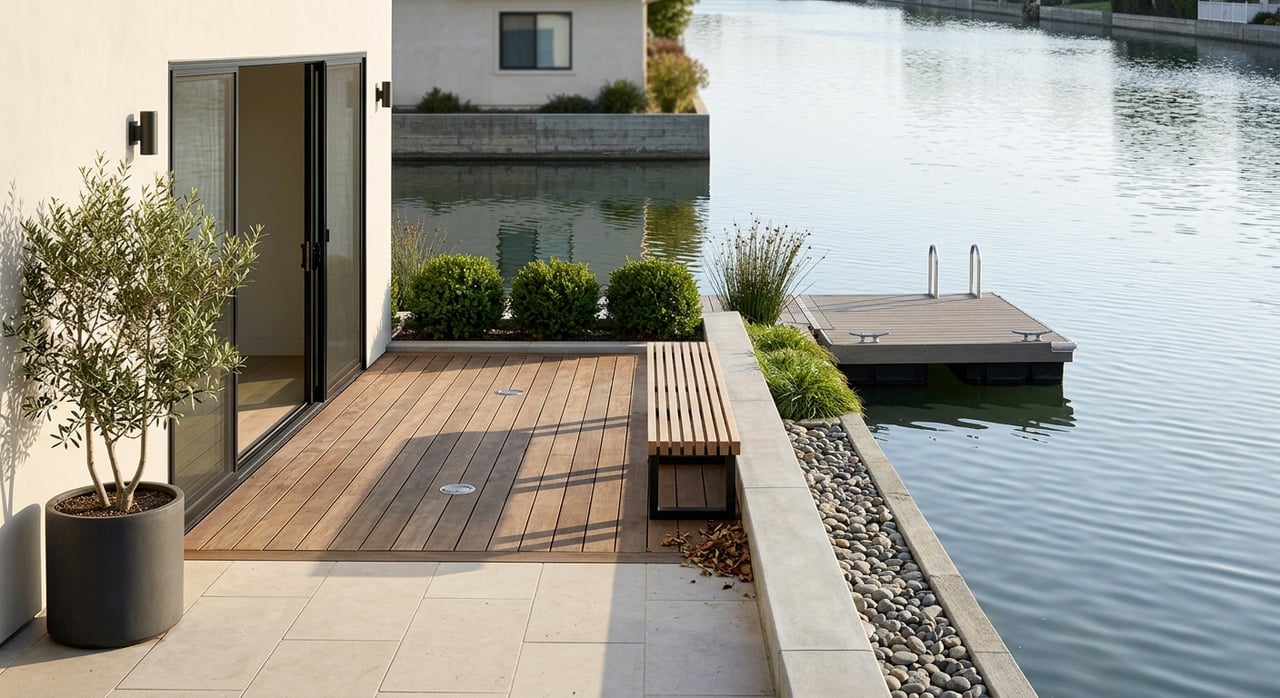
The biggest draw of a waterfront home in Redwood Shores is obvious: stronger water views and direct adjacency to the lagoon edge. If you want to wake up to water outside your windows and enjoy a more distinctive setting, waterfront homes usually deliver the highest scenic value.
The lagoon also supports recreation such as boating, swimming, and windsurfing. But the access is not unlimited. Redwood City notes that boating is for residents only and or by permission of the Redwood Shores Community Association, gas-powered boats are prohibited, and fishing is permit-based with city-park restrictions.
That means waterfront here is less about private marina-style freedom and more about enjoying a curated, neighborhood-scale water environment. For many buyers, that is still a major lifestyle upgrade. You get the view, the atmosphere, and a sense of retreat within a highly planned community.
Waterfront Ownership Comes With More Review
The tradeoff is that waterfront ownership can involve more oversight and more due diligence. Redwood City’s Lagoon Bank Policy applies to new construction and repairs that may affect slope stability, and the City’s guidance says that dock repair or replacement, rear-yard landscaping, Planned Development amendments, and similar waterfront changes may require City approval.
In many cases, the property line extends into the water, and rip rap may be the owner’s responsibility. So before you assume a backyard project is simple, it is important to confirm exactly what is allowed on that parcel and what maintenance obligations come with it.
Waterfront Homes May Fit You If
A waterfront home may be the better fit if you value:
- Daily water views
- Direct lagoon-edge location
- A stronger destination feel
- Unique resale appeal tied to view quality
- The experience of living closest to the water
This option tends to work best when you are comfortable with HOA and City review, and with the possibility of higher ownership complexity.
What Off-Water Homes Keep
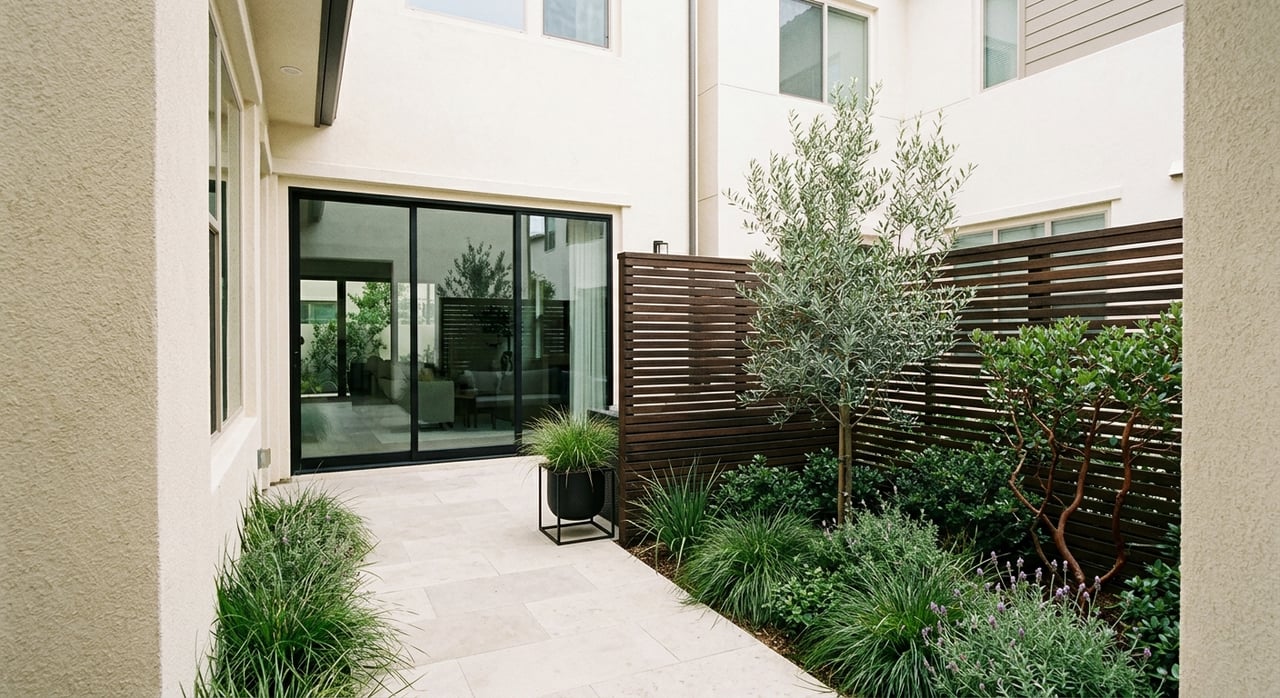
If you are leaning away from direct waterfront, that does not mean giving up the Redwood Shores lifestyle. Off-water homes still sit within a shoreline-oriented community with access to many of the area’s outdoor amenities.
The Bay Trail around Redwood Shores includes a paved trail along Belmont Slough, plus observation platforms at the peninsula tip. Redwood City also lists local recreation assets such as Marlin Park and Shore Dogs Park. The neighborhood’s appeal is broader than the lagoon-front parcels alone.
For many buyers, this is the sweet spot. You still get the location, the open-space feel, and the daily convenience of trails and parks, but you may avoid some of the shoreline-specific questions that come with direct waterfront ownership.
Off-Water Ownership Is Often Simpler
One of the strongest practical advantages of an off-water home is reduced complexity. Based on Redwood City’s waterfront policy framework, off-water properties often mean fewer concerns about docks, rip rap, bank stability, and waterfront-improvement permits.
That does not mean every off-water property is simple in every respect. Redwood Shores has layered ownership and design controls, and the exact parcel matters. The City says the umbrella HOA covers developments built since 1981 and includes 4,084 residential units, the Redwood Shores Community Association is voluntary, and the Architectural Design Board reviews many homes west of Shell Parkway.
So even with an off-water purchase, you still want to confirm the exact HOA, CC&R, and design-review structure tied to the address.
Off-Water Homes May Fit You If
An off-water home may be the better fit if you care most about:
- Redwood Shores location and lifestyle
- Trail and park access
- Privacy
- Yard usability
- Simpler ownership questions
- Potentially broader resale appeal
The tradeoff is that your view premium is usually lower or less certain than a direct waterfront parcel. Still, many buyers decide that the day-to-day ease is worth it.
Flood Risk and Insurance Matter Here
In Redwood Shores, flood and sea-level-rise issues should be part of your home search from day one. Redwood City says FEMA notified the City in 2020 that unless the levee system around Redwood Shores is modified, the Flood Insurance Rate Map will be revised and properties in Redwood Shores could be designated as a Special Flood Hazard Area.
The City estimates that about 4,700 households would then need flood insurance. San Mateo County notes that FIRMs are the official maps used to identify special hazard areas, premium zones, base flood elevation, and floodways.
Redwood City is also advancing the Redwood Shores Sea Level Rise Protection Project to address these risks and renew FEMA accreditation. For you as a buyer, the takeaway is simple: do not treat flood insurance or flood-map status as an afterthought.
Questions To Ask Before You Write An Offer
Whether you are considering waterfront or off-water, ask for clarity on these points before you move forward:
- Which HOA or association applies to the property
- Whether the parcel falls under Architectural Design Board review
- Whether any docks, walls, or rip rap are permitted or grandfathered
- Whether the address is affected by current flood mapping
- How the levee or sea-level-rise project may relate to the property
In Redwood Shores, the listing description alone rarely tells the full story. The parcel-specific details are often what shape the ownership experience.
Resale: Premium Views Versus Broader Appeal
Waterfront homes often have the clearest emotional pull in the resale market. Buyers tend to respond strongly to direct water views and a true edge-of-water setting. In Redwood Shores, that can make a waterfront property especially compelling when the views are usable, the condition is strong, and shoreline-related issues are well managed.
At the same time, a view premium does not erase practical concerns. Flood-related questions, maintenance responsibility, and improvement limits can still affect how buyers evaluate value.
Off-water homes may appeal to a broader group of buyers because they can feel easier to own and insure. That broader appeal can matter at resale, especially when buyers are comparing beauty with simplicity.
How To Choose The Right Fit
If you are deciding between the two, it helps to frame the choice this way: waterfront usually wins on scenery and atmosphere, while off-water usually wins on flexibility and ease.
You may want waterfront if the view itself is central to your lifestyle and you are comfortable doing deeper due diligence. You may prefer off-water if you want Redwood Shores’ outdoor setting and neighborhood benefits, but with fewer shoreline-specific ownership issues.
Neither option is automatically better. The better choice is the one that fits how you want to live, what level of property oversight feels comfortable, and how you weigh scenery against simplicity.
If you are comparing homes in Redwood Shores and want help reading beyond the listing notes, the Gevertz Group can help you evaluate the parcel, ownership structure, and day-to-day considerations so you can buy with more confidence.
FAQs
What does waterfront mean in Redwood Shores?
- In Redwood Shores, waterfront usually means lagoon or slough frontage within a managed water system, not open-ocean frontage.
Do Redwood Shores waterfront homes automatically include dock or boat access?
- No. Boating is limited to residents and or by RSCA permission, gas-powered boats are prohibited, and docks or waterfront changes may still require City approval.
Do off-water homes in Redwood Shores still have outdoor amenities nearby?
- Yes. Off-water homes can still benefit from Bay Trail access, parks such as Marlin Park, and recreation areas like Shore Dogs Park.
Do Redwood Shores buyers need to check flood insurance risk?
- Yes. Redwood City says future flood-map changes could place properties in a Special Flood Hazard Area and trigger flood insurance requirements for many households.
What should buyers verify before making an offer in Redwood Shores?
- Buyers should confirm the exact HOA and CC&R structure, whether Architectural Design Board review applies, whether waterfront improvements are permitted or grandfathered, and whether the property is affected by current flood mapping or levee-related planning.