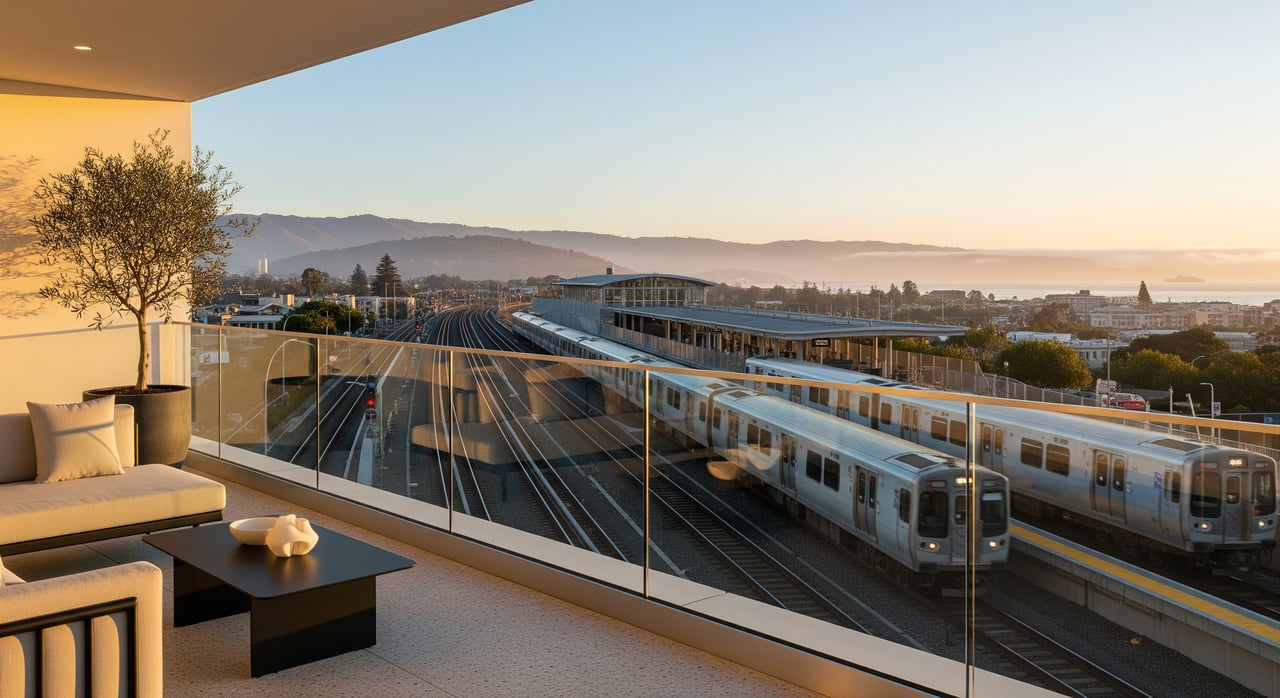
Trying to decide whether Caltrain or BART will make daily life easier if you buy in Millbrae? You are not alone. Commute time, airport access, parking, and neighborhood impacts can shape your lifestyle and your home search. This guide walks you through how each system works from Millbrae Station, what to expect day to day, and how to choose the best fit for your routine. Let’s dive in.
Millbrae Station overview
Millbrae Station is a true transit hub with connections to regional rail and local service. It brings together Caltrain, BART, SamTrans buses, and airport links in one place. This setup lets you transfer between systems for trips to San Francisco, Silicon Valley, and San Francisco International Airport.
Both systems accept the Clipper card, but fares and transfer rules are different. Always check the latest schedules and fare tools before you plan a routine.
Caltrain vs BART basics
Caltrain is commuter rail focused on the Peninsula between San Jose and San Francisco. It runs local and express service, including limited-stop express trains during peak hours that can shorten trips. Midday and evening service has historically been less frequent than peak times.
BART is regional rapid transit with more consistent, all-day frequency on core segments. From Millbrae, you get direct, one-seat service to San Francisco’s Market Street corridor and direct service to SFO. BART’s schedule supports a broader spread of day and weekend travel.
Travel time scenarios
Exact times can change based on day and time, transfers, and whether you catch an express or local train. Use current timetables on each agency’s site to compare.
Downtown San Francisco
For Financial District and Market Street destinations, BART offers direct service into downtown stations like Embarcadero with predictable travel times. Caltrain’s San Francisco terminus is near 4th & King, which can be fast if you catch an express. Many riders then take local transit to reach the core downtown area.
San Francisco International Airport
BART provides the simplest airport trip with a direct ride into the SFO station without exiting the paid area. Caltrain does not serve the terminal directly. If you start on Caltrain, you would transfer to BART at Millbrae or use SamTrans bus connections, which adds steps and time for airport travel.
Peninsula and Silicon Valley
If your job is on the Peninsula or in Silicon Valley, Caltrain can be very convenient. Peak express trains, when available, can shorten trips to job hubs along the corridor. For many buyers, using both systems as needed offers the best flexibility.
Access, parking, and bikes
Millbrae Station brings platforms, bus bays, and clear pedestrian links together in one complex. There are paid parking lots and structures, plus short-term pick-up and drop-off areas. Capacity and fees vary, especially at peak times, so check current parking maps, rates, and permit details with Caltrain, BART, and the City of Millbrae.
Both agencies support biking. Caltrain provides bike cars on many trains, and BART allows bikes on trains under its rules. You will also find bike racks or lockers at some stations. Confirm the latest bike policies and availability on agency pages.
Accessibility features at the station include elevators and ramps, with ticket machines and waiting areas on site. If you rely on accessibility features, review agency notices for current elevator status or construction impacts.
Living near the station
Buying near a major transit hub can boost convenience and day-to-day flexibility. Proximity to frequent service often supports homebuyer demand, especially for those who value predictable commutes. The premium depends on walkability, service frequency, noise levels, and parking options in the immediate area.
Walkability can vary block by block. If you plan to walk or bike to the station, look at sidewalks, crossings, lighting, and any hills along your route. The City of Millbrae shares planning updates that may affect first and last mile connections.
Proximity to rail can also bring noise or vibration, especially near tracks and grade crossings where horns may sound. Visit at commute hours, late evenings, and weekends to get a full picture. If parking is limited at the station, you may also see spillover on nearby streets, so check for residential permit zones and off-street parking at the property.
Choose your best fit
Use your routine to guide the choice rather than seeking a single “best” answer.
- If you fly often, BART’s direct service into SFO is the simplest option.
- If you commute to Peninsula job hubs, Caltrain’s corridor coverage and peak express service can be a time-saver.
- If you want frequent off-peak and weekend service, BART is often more consistent throughout the day.
- If you want flexibility, plan to use both based on destination and time of day.
Before you decide, compare end-to-end times using current schedules, including transfers and the walk to your origin or destination. Then estimate monthly costs with fare calculators and account for parking, bike storage, or permits as needed.
Handy links and tools
- Review Caltrain schedules, fares, and station info on the official Caltrain site.
- Check BART schedules, fares, and SFO/Millbrae service details on BART.
- Plan airport access and terminal info at San Francisco International Airport.
- Explore local bus routes and airport feeders on SamTrans.
- Set up payment and learn transfer rules with the Clipper card.
- Track local plans, parking policies, and station area changes with the City of Millbrae planning updates.
- For broader regional planning context, visit the Metropolitan Transportation Commission.
Work with a local guide
Choosing a Millbrae home is easier when you have a clear read on transit trade-offs, parking realities, and neighborhood nuance. Our team has helped more than 250 Peninsula families and has closed over $350M in local sales, which means we know how transit access shows up in property value and daily life. If you want a calm, informed process and advice tailored to your commute, we are here to help.
Ready to compare homes near Millbrae Station or map your commute options? Reach out to the Gevertz Group to start a personalized plan.
FAQs
What is the best way from Millbrae to SFO?
- BART offers a direct, one-seat ride into the airport station, while Caltrain requires a transfer to BART at Millbrae or a SamTrans connection.
Is BART or Caltrain better for downtown San Francisco?
- BART runs directly into the Market Street corridor, while Caltrain terminates near 4th & King and often requires a local transit connection to reach the Financial District.
How do I pay for both systems in Millbrae?
- Use the regional Clipper card, and check each agency’s fare rules and calculators for accurate costs.
Where can I find parking details for Millbrae Station?
- Review current maps, daily rates, and permit availability on Caltrain, BART, and the City of Millbrae sites.
Which option is better for Silicon Valley commutes?
- Caltrain runs along the Peninsula corridor and can be very convenient for job hubs to the south, especially with peak express service when available.
Are there noise concerns near Millbrae’s tracks?
- Rail proximity can include train noise, vibration, and horns at crossings, so visit properties at different times of day to gauge your comfort level.